



Buying tickets should be the easy part of going out. You find something you want to see, choose your seats, pay and look forward to the day. In reality, ticket prices, service fees, seating options, presales and resale listings can make the process more complicated than expected.
Whether you’re planning a cinema trip, waiting for your favourite artist to announce a tour or looking for tickets to a major event, knowing how to shop carefully can help you avoid unnecessary costs and disappointing surprises. Here’s a practical guide to buying movie, concert and event tickets with confidence.

Start With the Official Source
The safest place to begin is usually the official website of the cinema, artist, venue, organiser or event. These sources can tell you when tickets go on sale, where authorised tickets are being sold and what the original pricing looks like.
For concerts and major events, signing up for an artist’s or venue’s mailing list can also be useful. Presale announcements are often shared with subscribers before general ticket sales begin.
Starting with an official source gives you a reference point when comparing prices elsewhere and can help reduce the risk of purchasing an invalid ticket.
Decide What You’re Willing to Spend
Before browsing available tickets, set a realistic budget. It’s surprisingly easy to start with one price in mind and gradually convince yourself to spend more for a better seat.
Remember that the ticket price isn’t always the final cost. Ticket fees, taxes, delivery charges and booking fees can increase the amount at checkout.
If you’re buying several tickets, these additional charges can become significant. Always check the final total before completing your purchase rather than relying on the advertised base price.
Choose Your Seats Carefully
Seat selection matters, particularly for concerts, theatre performances and sporting or live events.
For movies, the middle of the auditorium is often popular because it can provide a balanced viewing experience. At concerts, however, the ideal location depends heavily on the venue. A slightly more distant seat with a clear, central view may be more enjoyable than a closer seat positioned at an extreme angle.
Whenever possible, use an interactive event seating chart. Some venues also provide photographs from different sections, which can give you a better idea of what you’ll actually see.
Look at More Than One Date
Flexibility can make a surprising difference when buying event tickets.
If an artist has multiple performances in the same area, compare each date before purchasing. Weekday events may have different availability from weekend performances.
The same principle applies to movies. If you’re flexible about showtimes, you may find that different screenings have different ticket prices or seating availability.
Being open to another date or time can give you more choices without requiring you to compromise on the experience.
Understand Presales and General Sales
Popular concerts and events can sell quickly, which is why understanding the difference between presales and general sales is useful.
Presale access may be available through an artist’s mailing list, venue membership, credit card programme or other authorised arrangements. A presale doesn’t necessarily mean tickets will be cheaper, but it can give eligible buyers an earlier opportunity to choose from available inventory.
If you miss a presale, don’t automatically assume that all tickets are gone. Additional tickets can sometimes become available during the general sale or later.
Be Careful With Resale Tickets
Sometimes the event you want is sold out through the official seller. That’s when resale marketplaces may become an option.
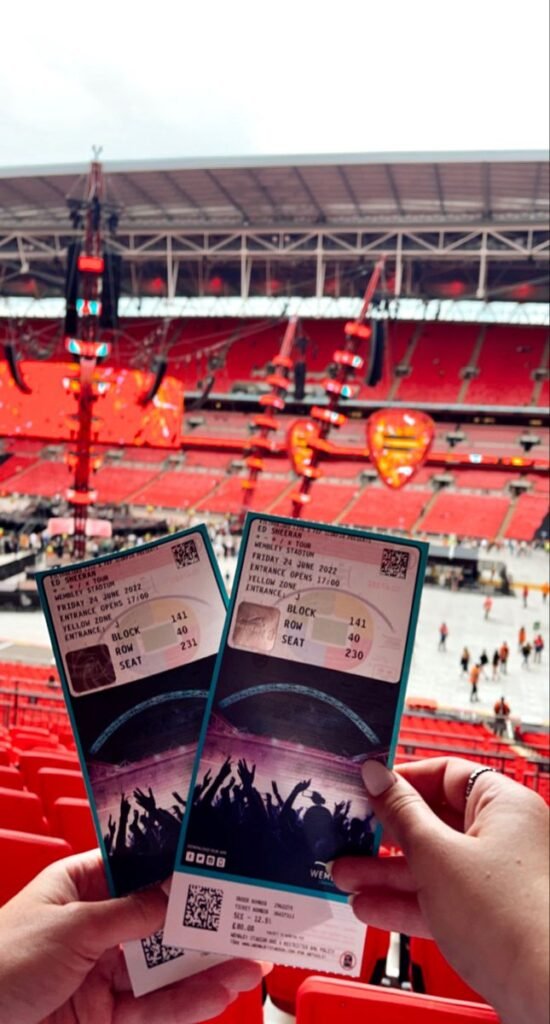
If you use one, check whether the platform offers buyer protection and guarantees ticket validity. Look carefully at the complete price, because resale listings can include substantial fees.
Avoid sending money directly to strangers through bank transfers, gift cards or other payment methods with limited buyer protection. An unusually cheap listing can be tempting, but losing your money and ending up without a ticket is a much worse outcome.
Check the Ticket Details
Before completing your purchase, review the important information carefully. Check the event date, start time, venue, seating section, ticket quantity and any age or entry requirements.
For digital tickets, find out how and when they’ll be delivered. Some tickets may only become available shortly before the event.
It’s also worth checking the venue’s rules regarding bags, cameras, food, identification and prohibited items. Knowing these details beforehand can make entry much smoother.
Keep Your Tickets Secure
Once you’ve purchased your tickets, save them somewhere reliable. If they’re digital, keep the confirmation email and add the ticket to your phone’s wallet when supported.
For important events, having a backup copy of your booking information can be helpful. However, never post a full ticket barcode or QR code publicly, as someone else could potentially attempt to use it.
Enjoy the Experience
Buying movie, concert and event tickets doesn’t have to be stressful. Start with an authorised source, establish your budget, compare the complete prices and take your time when selecting seats.
For popular events, preparation can make an even bigger difference. Follow official announcements, understand presale opportunities and remain cautious when considering resale tickets.
A good ticket purchase is more than finding a seat at the lowest possible price. It’s about knowing what you’re paying for, choosing an option that suits your budget and making sure your ticket is legitimate. Once that’s taken care of, you can stop worrying about the transaction and start looking forward to the event itself.