



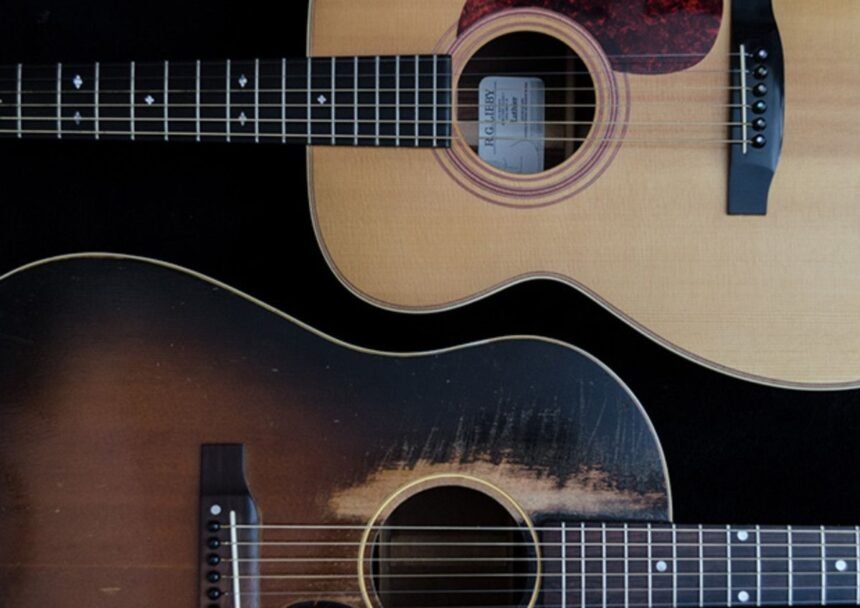
There is a particular kind of silence that fills a music store the moment you lay your hands on a guitar for the first time. It is the silence of decision, of possibility, of not quite knowing whether the instrument in your grip will become a lifelong companion or an expensive regret. For every aspiring player, that moment eventually narrows down to one deceptively simple question: should you buy new, or should you buy used? The answer is rarely as straightforward as either camp likes to claim, and it depends far more on your stage of learning, your budget, and your patience than on brand loyalty or internet folklore.
The Case for Buying New
There is an undeniable comfort in unboxing a guitar that has never been touched by another set of hands. New instruments arrive with intact warranties, unblemished finishes, and factory setups that, while not always perfect, are at least predictable. For absolute beginners, this predictability matters more than most realize. A new guitar eliminates the guesswork of inherited wear, hidden repairs, or a neck that has quietly warped under years of humidity changes it never should have experienced. Manufacturers today, from entry-level Yamaha and Fender lines to boutique-adjacent brands like Taylor’s smaller series, have also become remarkably good at building affordable instruments that play well straight out of the case. For a nervous first-timer who cannot yet distinguish a healthy guitar from a troubled one, that consistency can be the difference between falling in love with the instrument and giving up within a month.
The Case for Buying Used
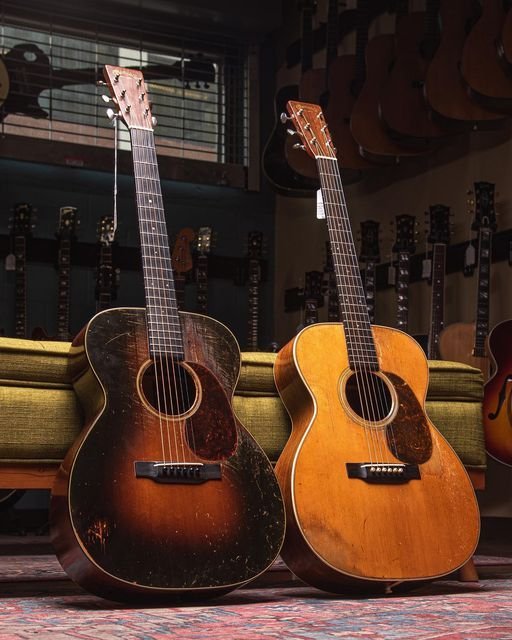
And yet, the used market tells a different story, one that seasoned musicians often whisper about with something close to reverence. Wood, unlike most materials, improves with age and use. A guitar that has been played regularly for a decade often resonates with a warmth and openness that a brand-new instrument simply has not earned yet. Beyond tone, the financial logic is hard to ignore. A well-maintained used guitar can offer intermediate players access to a far higher tier of craftsmanship, solid tonewoods, superior electronics, professional setups, for a fraction of what the same quality would cost new. This is particularly valuable for players who have outgrown their starter instrument and want to feel real progress without draining their savings. The trade-off, of course, is risk. Buying used requires a discerning eye, or at least a trustworthy second opinion, to check for structural issues like neck bow, fret wear, or loose bracing that a casual glance might miss.
Matching the Choice to the Player
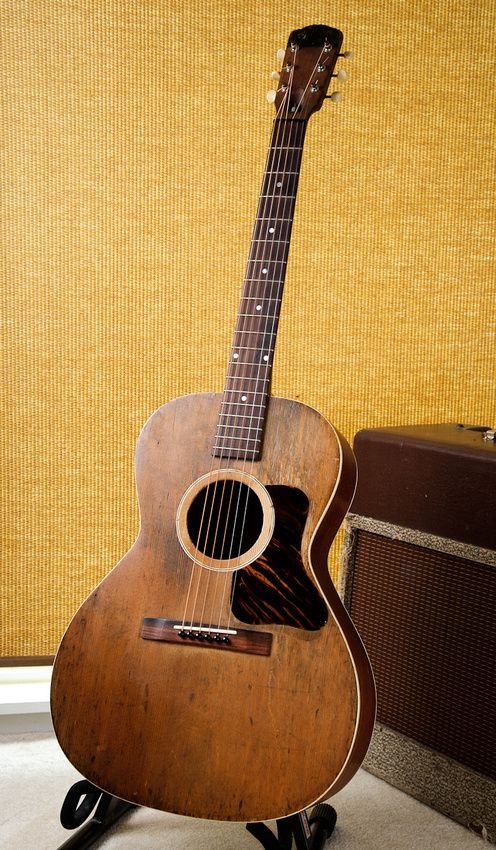
The smartest decision, then, is rarely about which category is objectively superior, but about matching the guitar to the player’s stage of growth. Complete beginners, especially those still uncertain about long-term commitment, are often better served by an affordable new instrument that removes variables and lets them focus entirely on developing calluses and muscle memory. Intermediate players, who already know what a poorly set-up guitar feels like and have developed enough ear to judge tone, stand to gain enormously from the used market’s depth and value. It is worth noting that many professional musicians actively hunt for used instruments precisely because they understand what to listen for and what to inspect, a skill beginners simply have not developed yet.
A Practical Middle Ground
For those still torn, a growing number of retailers now offer certified pre-owned or refurbished guitars, instruments that combine used-market pricing with a professional inspection and limited warranty. This middle path has quietly become one of the smartest entry points into the hobby, offering peace of mind without the full premium of buying new.
Ultimately, the right guitar is not defined by whether it left the factory yesterday or a decade ago, but by whether it inspires you to keep picking it up. New or used, the instrument that gets played is always worth more than the one that simply gets admired.