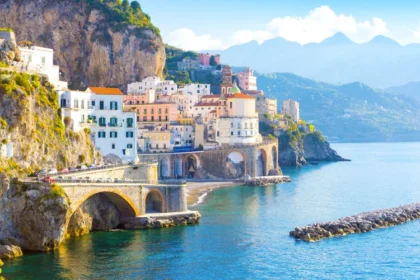




Brazil is massive—a country of sprawling coastlines, dense rainforests, and vibrant colonial cities that are often best explored at your own pace. While major hubs like Rio de Janeiro and São Paulo have robust public transit, the real magic of Brazil—hidden waterfalls, remote beach towns, and mountain drives—is locked behind the steering wheel.
Renting a car in Brazil is straightforward, but it comes with a specific set of rules and cultural nuances. If you’re planning to hit the road, here is the honest, no-nonsense guide to getting behind the wheel safely and affordably.
1. The Paperwork: What You Must Bring
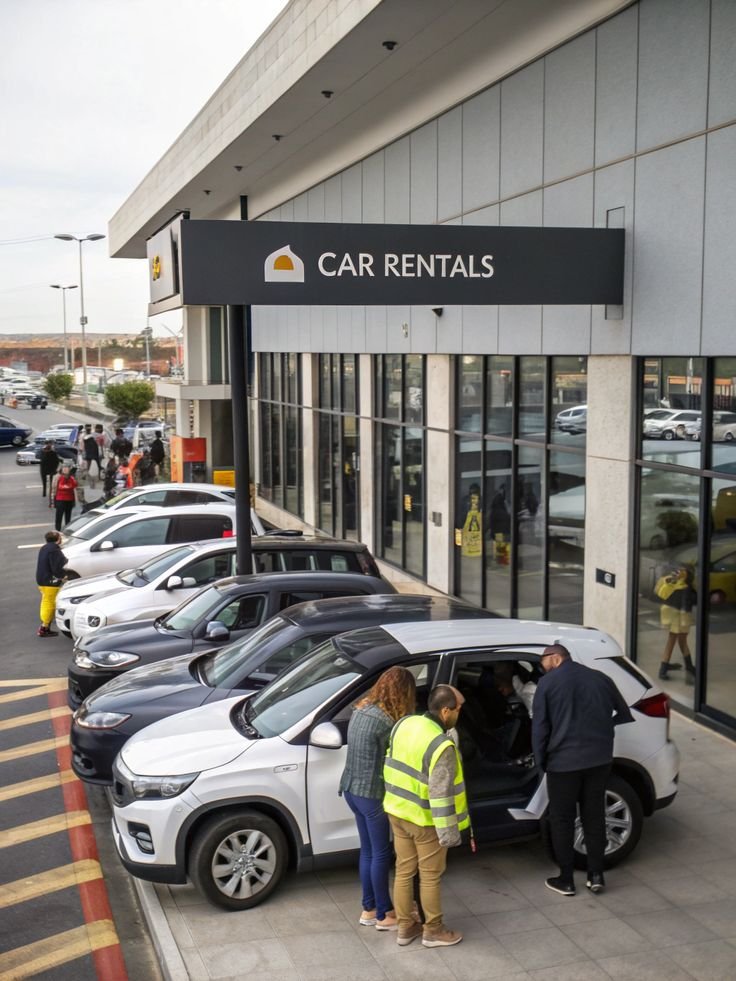
Brazilian rental agencies are notoriously strict about documentation. If you show up to the counter missing a single item, they will deny your rental—no exceptions.
To pick up your vehicle, you must present the following:
- A Valid Driver’s License: It must be a full, permanent license (not a provisional one) issued at least two years prior to your rental date.
- Your Passport: This is your primary ID. It must match the nationality of your driver’s license.
- International Driving Permit (IDP): While many agencies accept standard licenses written in the Latin alphabet, carrying an IDP is highly recommended. It’s mandatory if your home license is in a non-Latin script (like Arabic, Japanese, or Cyrillic).
- A Credit Card in the Driver’s Name: This is non-negotiable. Agencies place a substantial security deposit hold on the card—often ranging from $500 to $2,000 USD depending on the car category. Ensure your limit can cover this hold plus your travel expenses.
- Proof of Entry: Some agencies (like Localiza or Unidas) may ask for your entry stamp or arrival ticket to verify when you entered the country.
2. Navigating Insurance Options
The basic insurance included in your rental quote is almost never enough. Standard Collision Damage Waivers (CDW) usually come with a sky-high deductible.
For peace of mind, opt for Full Coverage (often called “Super CDW”). It increases your daily rate by 25–30%, but it slashes your deductible and typically adds protection for theft, third-party liability, and glass damage. Given the road conditions in some rural areas and the risk of petty theft in cities, skipping this is a gamble not worth taking.
3. Road Rules & Cultural Quirks
Driving in Brazil is an assertive experience. You’ll find that flow and intuition often override strict adherence to signs.
- Fuel Types: Most rental cars are “flex-fuel,” meaning they take either Gasolina or Etanol. Ethanol is about 30% cheaper but burns faster. A good rule of thumb: if the price of Ethanol is less than 70% the price of Gasoline, go with Ethanol.
- Tolls (Pedágios): Major intercity highways are heavily tolled. While some cars come with electronic tags (like Sem Parar), keep cash handy just in case you need to use the manual lanes.
- Safety First: Never stop on the side of the road at night. In major cities, keep your doors locked and windows up at intersections. At night, some locals will cautiously roll through red lights in high-crime areas—use your best judgment.
4. Where to Rent: Major Agencies
Stick to reputable, globally recognized brands or established Brazilian leaders for better support and easier drop-offs.
- Localiza & Unidas: The giants of the Brazilian market with the largest network of branches.
- Movida: A fantastic local option known for competitive pricing and a modern fleet.
- Hertz & Avis: Reliable international choices if you prefer a familiar booking process and loyalty points.
Pro Tip: Renting at an airport terminal is convenient but costs 10–15% more due to concession fees. If you’re spending a few days in the city center first, take an Uber to your accommodation and pick up your rental from a downtown branch later.
The Bottom Line
Driving in Brazil is the ultimate way to see the country, but it requires a bit of “street smarts.” Book your car at least three weeks in advance if you’re traveling during the summer (December–February) or Carnival, keep your documents organized, and always opt for the higher insurance tier. With those boxes checked, you’re ready to discover the beauty of Brazil on your own terms.