



Most furniture mistakes aren’t about taste. They’re about measurements, proportions, and not knowing the rules professionals use every day. The sofa that looked perfect on a website feels oversized the minute it lands in the room. The dining table fits the space on paper but blocks the walkway once chairs are pulled out. The bedroom wardrobe dominates the wall and makes the entire room feel compressed. These are not failures of style — they are failures of process. Choosing furniture well is a blend of art and science: it requires thoughtful planning, a clear vision, and attention to detail that most buyers skip in the excitement of the purchase. Here is how to do it properly, room by room.
Start Every Room With Measurements, Not Mood Boards
Before browsing a single product, measure the room carefully — not just where the furniture will sit, but the full operational envelope. Note the overall length, width, and ceiling height. Measure doorways, internal corridor turns, and stair landings, because a sofa that fits the room but can’t navigate the hallway is a delivery-day disaster. Mark the position of baseboards, radiators, vents, and outlets, since these all affect what can go where. Most importantly, measure for movement, not just placement — every piece of furniture needs clearance for doors to open, drawers to extend, chairs to pull back, and people to walk past comfortably. A cluttered room feels chaotic, while too much empty space can feel cold; the goal is balance between filled and open floor area. Sketch a floor plan or use an online room planner to visualize how different pieces will fit before committing to anything.
The Living Room: Proportion, Function, and the Two-Thirds Rule
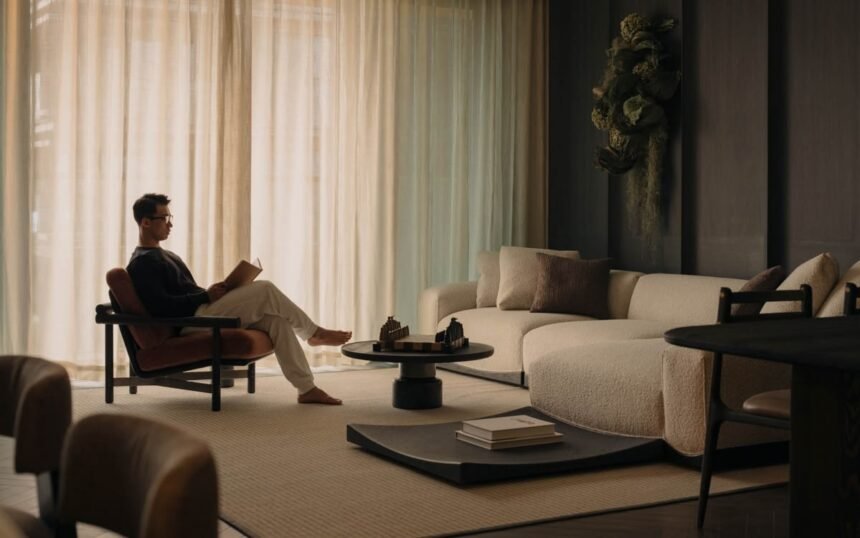
The living room receives the most furniture scrutiny and produces the most proportion errors. Sofa depth is the most overlooked measurement in residential furnishing — a standard depth of 21 to 24 inches supports an upright posture for most adults, while 25 inches or more suits taller individuals who prefer a more relaxed sit. For coffee tables, professionals use the two-thirds rule: the table should measure approximately two-thirds the length of the sofa, positioned 16 to 18 inches from the front edge. For sectionals, round or organic shapes work best; for straight sofas, go rectangular.
In 2026, the mood is moving away from overly polished, showroom-perfect schemes in favour of homes that feel collected over time, with a renewed appreciation for vintage pieces, antiques, and warm tones that work in harmony. Practically, this means the living room benefits from mixing furniture weights — a substantial sofa anchored by a lighter accent chair, or a statement coffee table in natural wood burl or sculptural stone paired with a simpler sideboard. Chair type should match how the room is actually used: a club chair offers a structured, tailored feel; a wide lounge chair suits reading corners; a swivel chair works best in open floor plans where you pivot between conversation and television.
The Dining Room: Comfort Across the Full Meal
Dining furniture selection is governed by one calculation that most buyers miss: allow 24 inches of table width per person and a minimum of 36 inches between the table edge and any wall or furniture behind the chairs, to allow comfortable seating and rising without rearranging the room. Extendable tables are among the most practical investments available for dining rooms of any size — an extendable dining table offers flexibility for guests without consuming additional floor space when not in use. Chair selection should prioritise comfort across a full meal rather than visual impact alone — sit in every chair before purchasing, and note whether the seat height allows forearms to rest comfortably at the table.
The Bedroom: Functionality First, Atmosphere Second
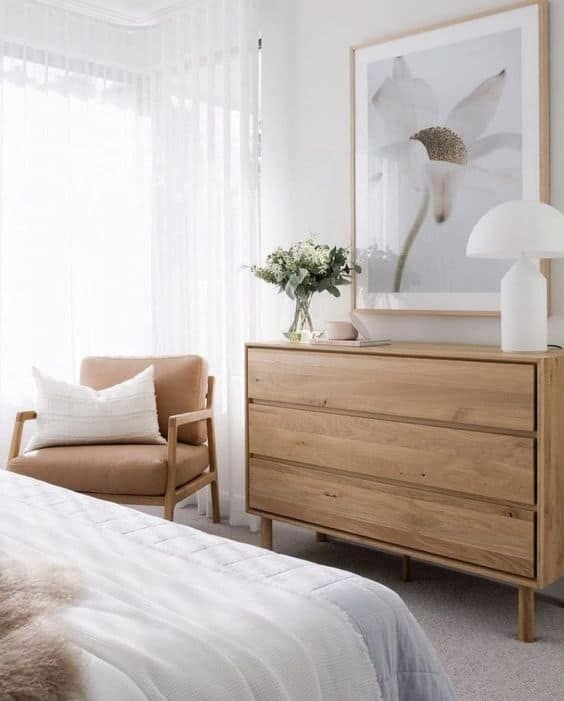
The bedroom furniture hierarchy is clear: the bed comes first, and everything else calibrates around it. The bed frame and mattress combination should be sized to leave a minimum of 24 inches of clearance on each side for comfortable movement, with more space prioritised over additional storage furniture whenever the room is tight. Nightstands should sit level with or slightly below the top of the mattress for ergonomic comfort. For storage, built-in or floor-to-ceiling wardrobes consistently outperform freestanding options in smaller bedrooms because they use vertical space rather than consuming floor area — every furniture piece should be evaluated against the room’s dimensions, traffic flow, and your household’s daily habits.
The Home Office: Ergonomics Over Aesthetics
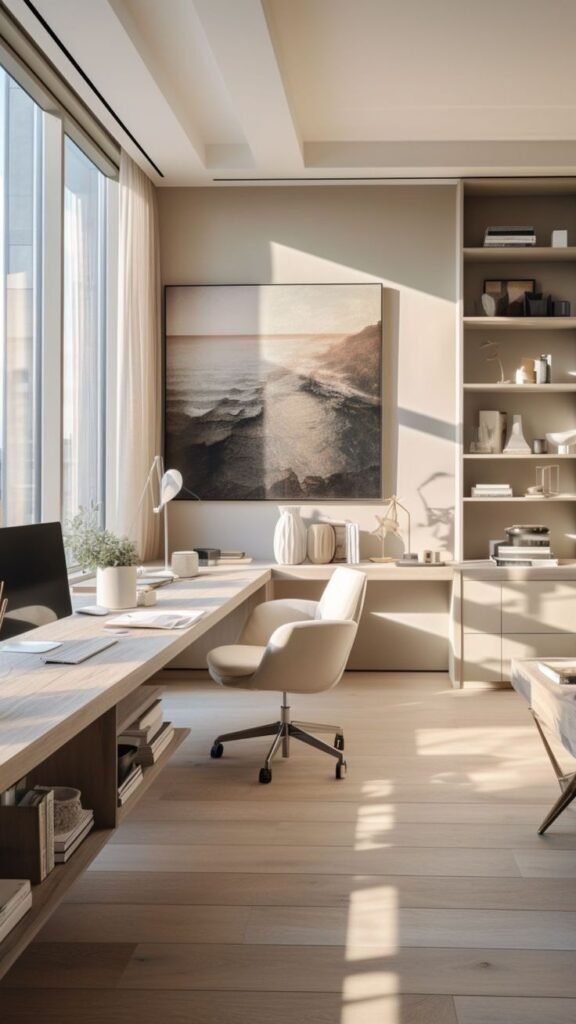
The home office is the room where furniture function most directly affects daily performance. Desk height should allow elbows to rest at approximately 90 degrees with forearms parallel to the floor. Chair selection should prioritise lumbar support and adjustability over visual compatibility with the room’s aesthetic — a chair that looks good but causes discomfort by mid-afternoon is a poor investment regardless of price. Modular and flexible furniture will dominate interior design trends in 2026, thanks to the versatility and adaptability of modular designs that can effectively meet the evolving needs of modern households — in the home office specifically, modular shelving and desk configurations that can be reconfigured as work needs change offer more long-term value than fixed installations.
The Principles That Apply Across Every Room
Three rules hold regardless of room or budget. First, define your aesthetic direction before purchasing anything — whether warm minimalism, mid-century modern, Scandinavian simplicity, or eclectic vintage — and use it as a filter that prevents impulse purchases that don’t connect to anything else in the space. Second, invest in the pieces used most frequently and spend less on decorative accents — quality where it matters creates a room that functions and looks considered, regardless of what surrounds it. Third, account for lifestyle realities: households with children or pets benefit from performance fabrics, rounded edges, and stain-resistant materials; households without benefit from a wider material palette. Furniture should serve your daily needs while enhancing your home’s beauty — the perfect piece is the one that makes your life easier and your home more inviting.
The best-furnished homes are not the most expensively furnished ones. They are the ones where every decision was made deliberately, with function and proportion considered before style — and where the result feels inevitable rather than assembled.