


Think about how you ate five years ago. You planned meals, cooked on weeknights, maybe ordered pizza on a Friday. Today, millions of people across the world open an app, tap a few times, and have restaurant-quality food at their door in under 30 minutes — without speaking to a single person. That shift is not just a change in eating habits. It is a fundamental reshaping of how modern life is organised, prioritised, and experienced.
Online food delivery has quietly become one of the most culturally significant technologies of the decade. And in 2026, with the global market having crossed $1.40 trillion, its influence stretches far beyond convenience. It is changing how we work, how we socialise, how cities are built, and even how we think about cooking itself.
The Death of the Lunch Break as We Knew It
For office professionals, the traditional lunch break — leaving the desk, walking to a café, sitting down — is becoming increasingly rare. Food delivery has made it possible, and socially acceptable, to eat a full restaurant meal without ever leaving your chair. On one hand this is a productivity win; on the other, it has quietly eroded one of the few daily rituals that forced professionals to step away from screens and decompress.
The data reflects this shift clearly. Americans now order food delivery approximately once every six to seven days on average, and that number rises sharply among urban professionals under 40. In cities like London, Singapore, and São Paulo, food delivery has essentially become a daily infrastructure — as routine as commuting once was.
How It Is Reshaping Home Life
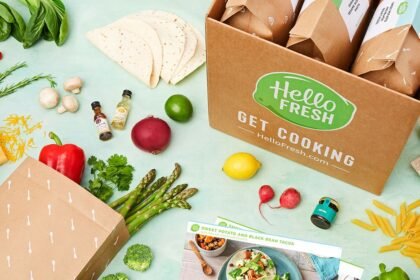
Perhaps the most surprising impact of food delivery is happening inside the home. Cooking frequency among working adults in major cities has declined noticeably over the past five years. For many, the kitchen has shifted from a functional space to an occasional one. Meal kits and delivery have filled the gap — and while this raises genuine questions about nutrition and food culture, it has also freed up real time for families and individuals who previously spent hours weekly on meal planning and preparation.
There is also a social dimension worth acknowledging. Ordering in has replaced dining out for many social occasions. Friends now gather at home, splitting a delivery order across multiple cuisines in a single evening — something that simply was not possible a decade ago. This has created new social rituals while simultaneously reducing footfall at traditional restaurants, particularly mid-range establishments that cannot compete on convenience.
The Ghost Kitchen Revolution
Behind every delivery order is an infrastructure most people never think about. Ghost kitchens — commercial cooking spaces with no dining room, no signage, and no walk-in customers — are now a multi-billion dollar industry globally. Platforms like Deliveroo Editions and Rappi’s dark stores have normalised the idea of restaurants that exist purely in digital space. For consumers this means more choice. For cities it means industrial cooking facilities quietly embedded in residential and commercial zones, raising new questions about urban planning, noise, and neighbourhood character.
The Environmental Question Nobody Wants to Answer
Every delivery order generates packaging waste. Every courier ride burns fuel or battery. At scale — billions of orders annually — the environmental footprint of food delivery is significant and still largely unresolved. Some platforms are investing in electric vehicle fleets and compostable packaging, but the industry as a whole remains far from sustainable. For environmentally conscious professionals, this is an increasingly uncomfortable tension sitting between convenience and conscience.
Where This Is All Heading
Drone deliveries are being piloted in the US and UK. AI is personalising menus in real time based on your health data, time of day, and past preferences. Subscription models are evolving to bundle food, groceries, and transport into single monthly plans. The line between a delivery app and a personal lifestyle manager is blurring rapidly.
Online food delivery did not just change what lands at your door. It changed the rhythm of modern life itself — how time is spent, how homes function, how cities are designed, and how people relate to food. Whether that change is progress depends entirely on what you value. But one thing is certain: there is no going back.