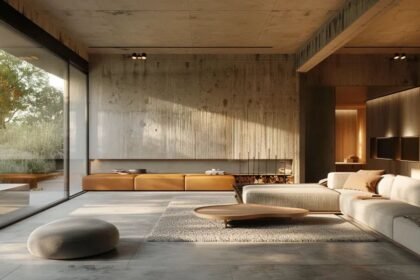




In a world where notifications buzz constantly and screens dominate daily life, creating a digital detox zone at home has become more than a trend — it’s a necessity for mental clarity and emotional balance. A screen-free room offers a peaceful escape where you can rest your eyes, slow your thoughts, and reconnect with real-world experiences. Designing such a space doesn’t require a large home or expensive renovation. With thoughtful choices and intentional design, any corner can transform into a calming retreat that encourages presence over productivity.
Why Screen-Free Spaces Matter

Screens are essential tools, but constant exposure can lead to eye strain, disrupted sleep patterns, and mental fatigue. Having a dedicated area without devices creates a boundary between the fast-paced digital world and the slower rhythm of everyday life. These zones provide opportunities for relaxation, reflection, creativity, and meaningful conversations without interruptions.
A digital detox space can improve focus, reduce anxiety, and help you rediscover simple pleasures — reading a book, journaling your thoughts, practicing mindfulness, or simply sitting quietly. When a home includes at least one tech-free environment, it becomes easier to establish healthy habits and maintain balance.
Choosing the Right Space
You don’t need an entire room to create a digital detox zone. Start by identifying a quiet area with minimal distractions — a spare bedroom, a balcony, a corner near a window, or even a section of your living room. Natural light plays a big role in making a space feel calming, so choose a spot that receives soft daylight if possible.
Think about how you want to use the space. If your goal is relaxation, include comfortable seating like floor cushions or a cozy chair. If you’re aiming for creativity, a small desk for sketching or journaling might work better. The key is defining a clear purpose for the zone so it naturally discourages screen use.
Separating this space from work areas or entertainment zones helps reinforce its purpose. Even a simple room divider, bookshelf, or curtain can create a sense of distinction.
Designing for Calm and Comfort
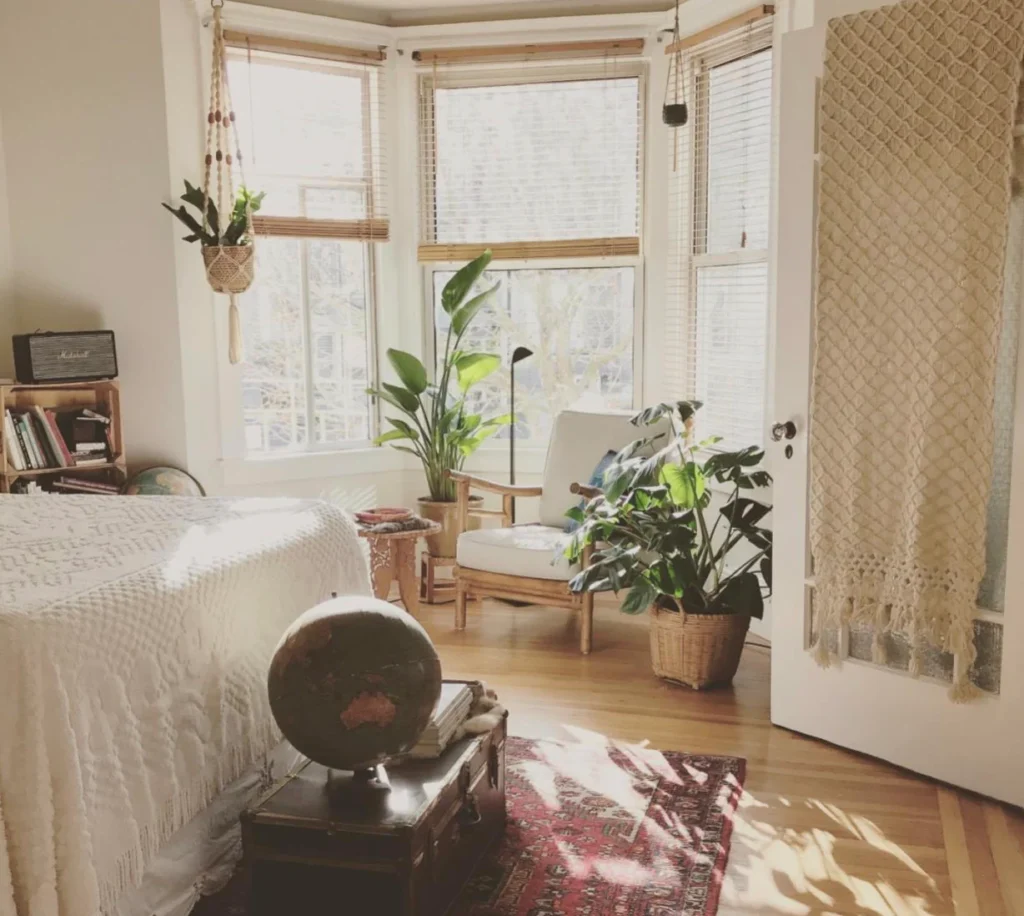
The design of a digital detox zone should focus on comfort, simplicity, and sensory balance. Neutral colors, soft textures, and natural materials like wood, cotton, and linen create a grounded atmosphere. Adding plants can enhance the sense of calm while improving air quality and visual freshness.
Lighting is equally important. Instead of harsh overhead lights, opt for warm lamps or soft ambient lighting that encourages relaxation. Aromatherapy candles or essential oil diffusers can add soothing scents, while gentle background sounds — like wind chimes or calming music played through non-distracting speakers — can enhance the mood without pulling you back into digital habits.
Keep décor minimal but meaningful. Personal items such as artwork, handwritten notes, or travel souvenirs add warmth without overwhelming the space. The goal is to make the area inviting enough that you want to spend time there without needing digital stimulation.
Activities That Replace Screen Time
A successful digital detox zone encourages engaging offline activities. Stock the space with books, sketchpads, puzzles, musical instruments, or crafting supplies. Meditation mats or yoga props can turn the area into a wellness corner, while a comfortable chair and blanket create the perfect reading nook.
Consider establishing rituals connected to the space — morning journaling, evening tea, or weekend creative sessions. Over time, these habits build a positive association with being unplugged. You might find that spending just 20–30 minutes a day in a screen-free zone significantly improves your mood and focus.
Making the Detox Habit Stick
Design alone won’t create a digital detox — consistent habits matter too. Set clear boundaries by keeping chargers and devices outside the space. Use physical clocks instead of phones and encourage family members or roommates to respect the tech-free environment.
Start small. Instead of aiming for hours without screens, begin with short daily sessions. Gradually increase your unplugged time as the habit becomes natural. Remember, the goal isn’t to eliminate technology entirely but to create balance and intentional moments of rest.
A Peaceful Corner in a Connected World
Designing a room without screens is an investment in your well-being. By creating a calming environment focused on comfort, creativity, and mindfulness, you give yourself permission to step away from constant notifications and reconnect with what truly matters. Whether it’s a quiet corner filled with books or a minimalist meditation space, a digital detox zone transforms your home into a sanctuary — a gentle reminder that sometimes the most meaningful moments happen when the screens are off and the world slows down.