


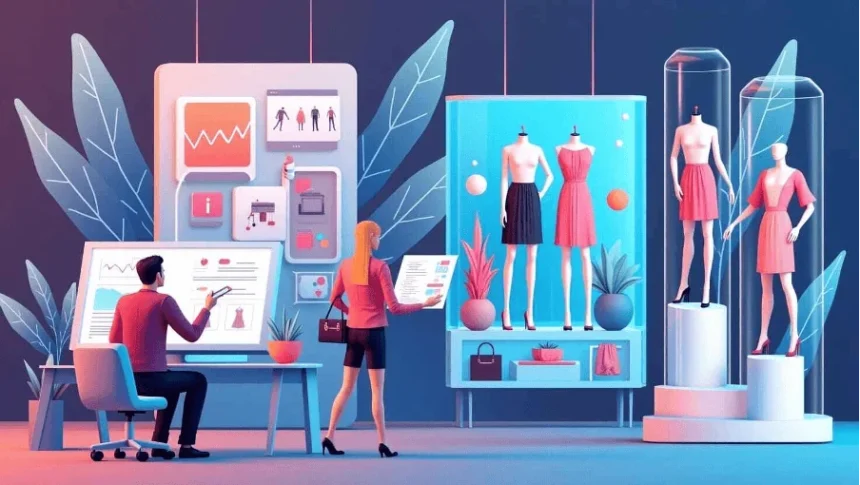
Scroll through any social media platform and it’s easy to believe fashion is moving at lightning speed. New trends appear daily, outfits are styled for the camera, and aesthetics rise and fall in a matter of weeks. Yet when you step outside, real-life style often tells a different story. The contrast between digital influence and everyday fashion has never been more visible, raising an important question: what’s actually trending?
Digital fashion thrives on immediacy and visual impact. Social platforms reward bold looks, dramatic silhouettes, and highly styled outfits that stand out in a crowded feed. Colors are brighter, proportions more exaggerated, and trends often feel theatrical. These looks are designed to capture attention quickly, not necessarily to be worn comfortably or repeatedly. As a result, many online trends exist more as inspiration than instruction.

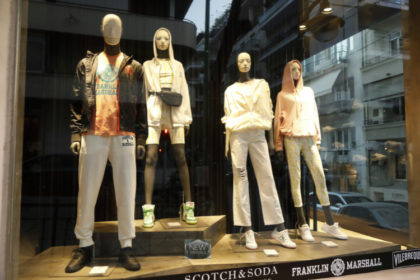
In real life, fashion moves more slowly. People dress for their routines, climates, and personal comfort. While digital platforms introduce ideas, individuals adapt them to fit daily life. Instead of head-to-toe trend adoption, real-world style reflects selective influence—borrowing elements rather than copying entire looks. This gap explains why some viral trends rarely make it past the screen.
One clear difference lies in wearability. Online, fashion is often styled for short-term impact. In reality, people prioritize pieces that work across multiple settings. Clothing that transitions easily from work to casual outings or from one season to the next is far more popular than highly specific trend items. This has led to a rise in versatile basics, relaxed tailoring, and neutral palettes that quietly dominate everyday wardrobes.
Another factor shaping real-life trends is comfort. While digital fashion celebrates extreme silhouettes or experimental styling, everyday style leans toward ease. Soft fabrics, flexible fits, and practical footwear continue to outperform trend-driven pieces in real-world settings. The growing emphasis on comfort doesn’t signal a lack of style; instead, it reflects a more realistic and sustainable approach to dressing.
Digital influence still plays a powerful role in shaping awareness. It introduces new colors, cuts, and styling ideas, acting as a creative testing ground. However, only trends that resonate emotionally and practically tend to survive beyond the screen. When a digital trend aligns with how people actually live, it transitions into real-life fashion. Otherwise, it fades as quickly as it appeared.
Personal identity has also become more central to real-life style. Online trends often encourage uniformity—similar outfits worn by thousands. In contrast, everyday fashion is increasingly about individuality. People mix influences, revisit old favorites, and prioritize pieces that feel authentic rather than algorithm-approved. This shift suggests that true trends are no longer about what everyone wears, but how people interpret style for themselves.
Sustainability further widens the gap between digital and real-life fashion. Rapid trend cycles promoted online encourage constant consumption, while many consumers are moving toward slower, more thoughtful choices. Rewearing outfits, investing in quality pieces, and styling existing wardrobes are becoming common practices. These behaviors rarely go viral, but they define what fashion actually looks like on the street.

Interestingly, real-life style is beginning to influence digital fashion in return. Audiences are responding more to relatable outfits, realistic styling, and honest representation. Creators who show repeat wears and practical fashion are gaining trust and engagement. This suggests a gradual shift toward authenticity over spectacle.
So what’s actually trending? Not the loudest looks or the fastest trends, but clothing that fits real lives. Fashion today exists between the digital and physical worlds, with the most lasting trends emerging where inspiration meets practicality. In that balance, personal style—not algorithms—is becoming the strongest influence of all.