


In an age where mass production dominates home interiors, reclaimed wood stands apart as a material rich with character, history, and purpose. Unlike newly manufactured finishes, reclaimed wood carries visible signs of its past—weathered grain, natural imperfections, and subtle variations in color. Decorating with reclaimed wood is not just a design choice; it is a way of bringing warmth, sustainability, and storytelling into the home.
Reclaimed wood comes from sources such as old barns, factories, ships, warehouses, and historic buildings. Instead of being discarded, this wood is carefully recovered, cleaned, and repurposed for modern use. Each plank holds marks of time—nail holes, saw lines, and softened edges—that cannot be replicated by new materials. These details give reclaimed wood its unique beauty and authenticity.
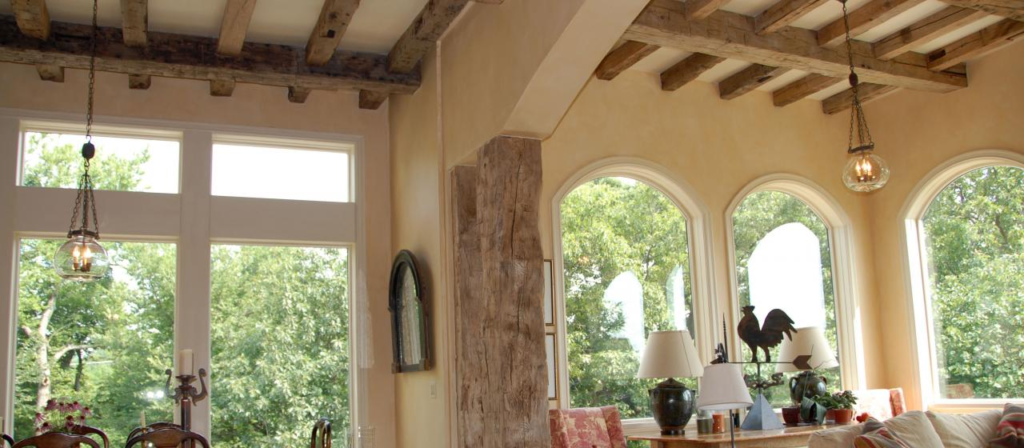
One of the strongest appeals of reclaimed wood is its visual depth. The natural aging process creates rich textures and tones that instantly add warmth to a space. Whether used in flooring, wall paneling, or furniture, reclaimed wood brings an organic, grounded feel that balances modern interiors. It works equally well in rustic homes and contemporary spaces, offering contrast without feeling out of place.
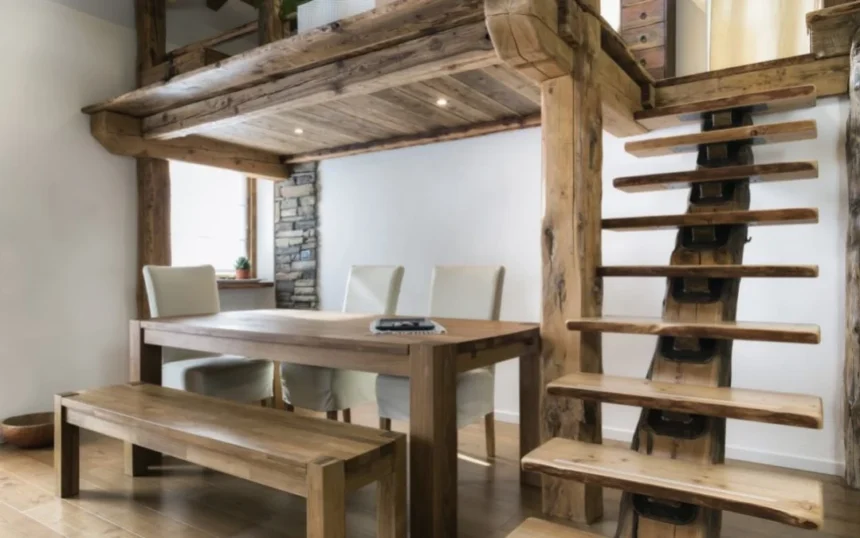
Beyond aesthetics, reclaimed wood tells a story. A dining table made from old barn wood or shelves crafted from salvaged beams carry a sense of continuity—past lives woven into present spaces. This narrative quality makes interiors feel more personal and meaningful. Instead of decorating with anonymous materials, reclaimed wood invites conversation and connection.
Sustainability is another key reason homeowners are turning to reclaimed wood. By reusing existing materials, demand for newly harvested timber is reduced, helping conserve forests and minimize waste. Choosing reclaimed wood supports eco-conscious living while proving that sustainable design can be both stylish and functional. In a time when environmental awareness is growing, reclaimed wood aligns beauty with responsibility.
Reclaimed wood is also remarkably versatile. In living rooms, it can be used for accent walls, ceiling beams, or coffee tables that add warmth and texture. In kitchens, reclaimed wood countertops, open shelving, or islands introduce a natural element that softens hard surfaces like stone and metal. Bedrooms benefit from reclaimed wood headboards or side tables that create a sense of calm and comfort.
The material pairs beautifully with a wide range of styles. Combined with metal and concrete, reclaimed wood enhances industrial interiors. Paired with soft textiles and neutral tones, it suits cozy, minimalist homes. Even modern designs benefit from its presence, as the contrast between clean lines and aged wood adds depth and balance.
Practicality is another advantage. Older wood is often denser and more durable than newly milled timber, having already endured decades of use. When properly treated, reclaimed wood can be long-lasting and stable, making it suitable for both decorative and functional applications.
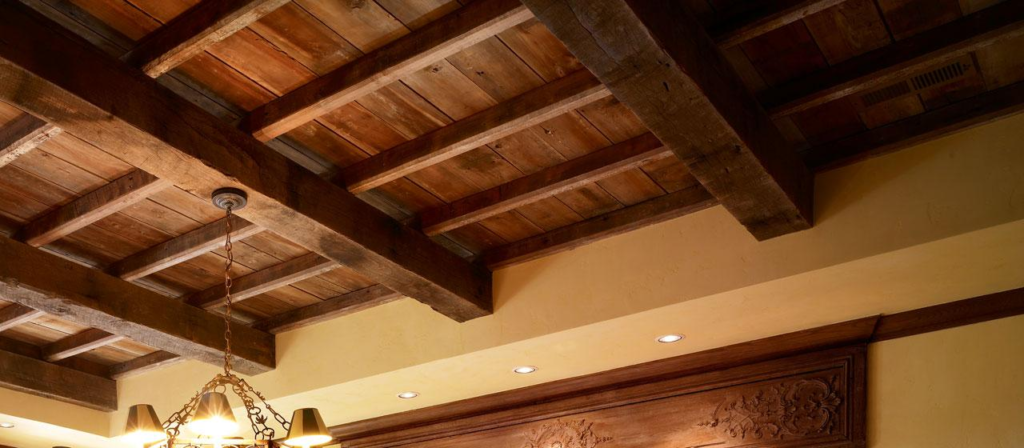
Decorating thoughtfully with reclaimed wood means allowing its imperfections to shine. Instead of covering knots and marks, these features should be celebrated as part of the wood’s identity. Simple finishes that protect without altering the natural look preserve the material’s authenticity.
Ultimately, decorating with reclaimed wood is about more than design—it’s about values. It reflects a desire for homes that feel lived-in, honest, and connected to the past. In a world of fast trends and disposable décor, reclaimed wood offers something rare: beauty with a story, shaped by time and given new life.