


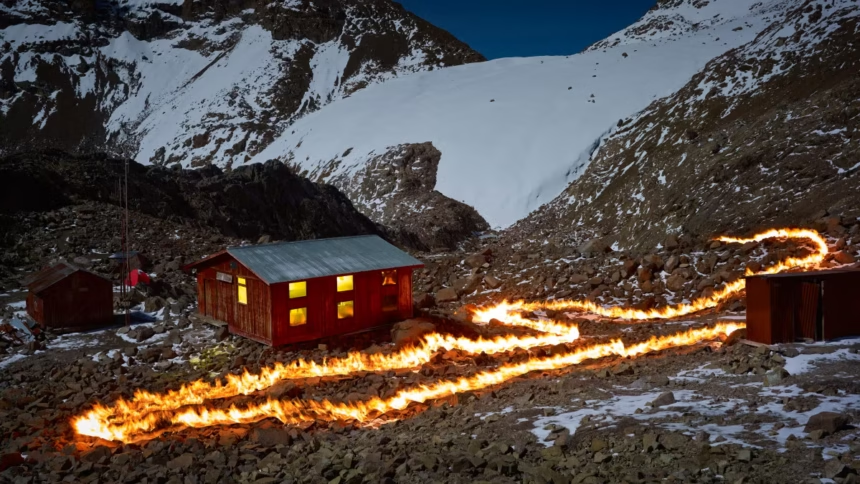
In some of the world’s most remote and dramatic landscapes, nature creates scenes that seem almost unreal. One such spectacle is the striking image of a glacier slicing through layers of fire-colored rock — a place where icy blues collide with deep reds, oranges, and rust-hued stone. This extraordinary contrast tells a powerful story of time, pressure, and the raw forces that shape our planet.
A Landscape Painted by Earth’s History
Fire-colored rock formations owe their vivid tones to minerals such as iron oxide, copper, and sulfur embedded deep within the Earth. Over millions of years, tectonic movements lifted these rocks to the surface, while erosion exposed their rich, burning colors. Long before ice arrived, these rocks were shaped by heat, volcanic activity, and shifting plates beneath the crust.

When glaciers later advanced into these regions, they brought an entirely different force. Slow-moving but immensely powerful, glaciers carve valleys, grind rock into fine sediment, and reshape the land in silence. The meeting of glowing stone and frozen ice creates a visual contrast that captures the imagination.
How Glaciers Cut Through Solid Rock
A glacier may appear serene, but beneath its surface lies tremendous strength. As it moves downhill under its own weight, it acts like a natural bulldozer. Rocks trapped in the ice scrape against the ground below, cutting grooves and deepening fractures. Over centuries, these processes widen cracks and carve channels through even the hardest rock.
In areas with layered, fire-colored stone, glaciers exploit natural weaknesses. Existing fractures expand, allowing ice to push deeper into the earth. Seasonal freezing and thawing further pry the rock apart, creating dramatic splits where ice and stone coexist side by side.
The Colors That Tell a Geological Story
The fiery hues surrounding these glaciers are not merely decorative — they are geological records. Red and orange tones often indicate iron-rich sediments formed in ancient oceans or deserts. Darker layers may point to volcanic ash or compressed organic material. When glaciers expose these layers, they reveal chapters of Earth’s past that were once hidden deep underground.
The ice itself carries its own history. Compressed snow that fell thousands of years ago becomes glacial ice, trapping air bubbles and particles that scientists study to understand past climates. In this frozen archive, the planet’s environmental memory is preserved.
A Fragile Balance in a Changing Climate
Today, scenes of glaciers cracking through colorful rock carry a deeper meaning. As global temperatures rise, many glaciers are retreating at unprecedented rates. As the ice thins, more rock is exposed, intensifying the contrast between ice and fire-colored stone — but also signaling loss.
What appears visually stunning can also be a warning. The disappearance of glaciers affects freshwater supplies, sea levels, and ecosystems far beyond these remote regions. The dramatic cracks and exposed rock faces remind us that Earth’s balance is shifting.
Why These Landscapes Captivate Us
There is something deeply compelling about places where opposites meet. The cold permanence of ice against the warmth of red stone represents the extremes of nature working together. These landscapes evoke awe not just because of their beauty, but because they reveal Earth’s immense timescale — a reminder that mountains, glaciers, and colors evolve over millions of years.
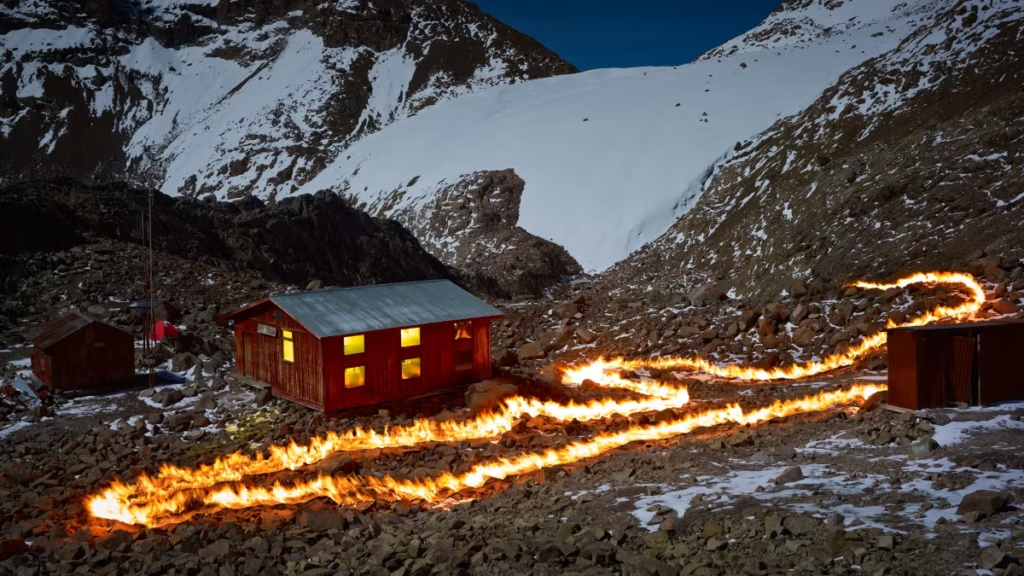
Photographers, scientists, and travelers are drawn to these regions, seeking both inspiration and understanding. Each crack in the rock tells a story of pressure, movement, and patience.
Nature’s Ongoing Transformation
A glacier cutting through fire-colored rock is not a static image; it is a moment in an ongoing transformation. Ice advances, retreats, and reshapes the land, while rock slowly erodes and changes color under the elements. Together, they create a living landscape that continues to evolve.
These rare scenes remind us that nature’s most powerful art is not painted in moments, but carved over ages. And in the meeting of ice and flame-colored stone, we witness the Earth revealing its raw, unforgettable beauty.