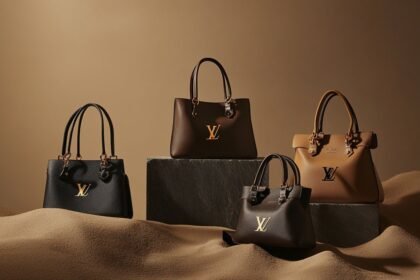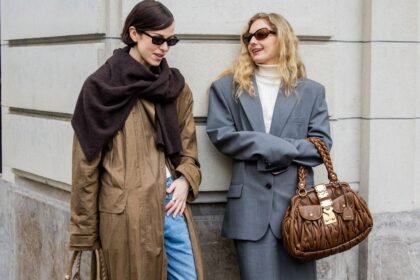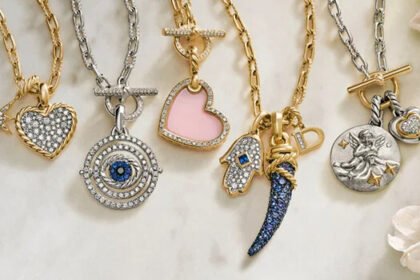



Fashion is entering a bold yet thoughtful phase, where clothing is no longer just about appearance but about purpose, comfort, and self-expression. Today’s clothing trends reflect changing lifestyles, cultural influences, and a growing desire for sustainability. As consumers move away from fast fashion and rigid style rules, a new era of fashion is emerging—one that values individuality, versatility, and conscious choices.
One of the strongest trends in modern clothing is the shift toward effortless comfort. Relaxed silhouettes, breathable fabrics, and functional designs are taking center stage. Oversized shirts, wide-leg trousers, co-ord sets, and soft knitwear are replacing restrictive fits. This trend reflects how people want clothes that move with them throughout the day, whether working, traveling, or socializing. Comfort is no longer hidden—it is stylish.

Sustainability continues to influence fashion choices in meaningful ways. Shoppers are increasingly aware of the environmental impact of clothing production, leading to a demand for eco-friendly fabrics and ethical manufacturing. Organic cotton, recycled fibers, linen, and plant-based materials are becoming more common. Alongside this, slow fashion is gaining momentum, encouraging people to buy fewer, better-quality pieces that last longer and age well.
Another noticeable trend is the rise of timeless basics with a modern twist. Classic wardrobe staples such as white shirts, denim, blazers, and neutral dresses are being reimagined with updated cuts, subtle detailing, or unexpected textures. These pieces are designed to transition easily between seasons and occasions, offering flexibility without sacrificing style. This approach supports a more curated and practical wardrobe.
Color palettes are evolving toward natural and wearable tones. Earth-inspired shades like sand, olive, clay, charcoal, and muted blues are dominating collections. These colors are easy to mix and layer, making outfits feel cohesive and relaxed. At the same time, strategic pops of color—such as deep red, cobalt, or soft pastels—are being used to add personality without overwhelming the look.
The influence of gender-fluid fashion is becoming more visible. Clothing is increasingly designed without strict gender boundaries, focusing instead on fit, comfort, and expression. Unisex silhouettes, neutral styling, and inclusive sizing are redefining traditional fashion norms. This movement reflects a broader cultural shift toward freedom and individuality in how people choose to dress.
Texture and fabric choice are playing a bigger role in modern fashion. From ribbed knits and linen blends to structured cotton and soft denim, tactile elements add depth to simple designs. Layering different textures creates visual interest while keeping outfits understated. This trend aligns perfectly with minimalist styling that still feels rich and intentional.
Digital culture and social media continue to shape clothing trends. Fashion is becoming more personal and experimental, driven by creators who mix vintage, high-street, and designer pieces in unique ways. Thrifting and upcycling are also gaining popularity, encouraging creativity and reducing waste. These practices celebrate originality while supporting more sustainable fashion habits.

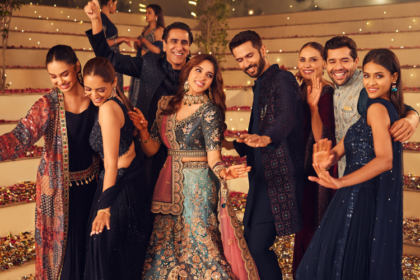
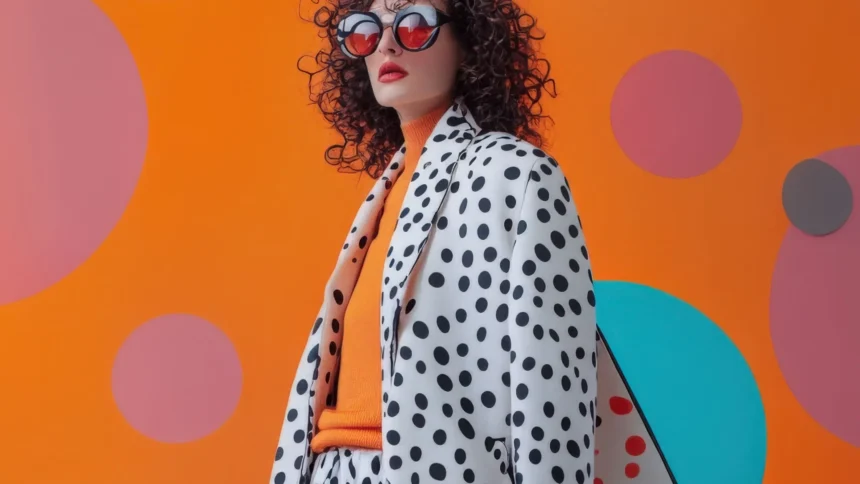
Finally, clothing is becoming more expressive. Prints, embroidery, and handcrafted details are returning in subtle ways, adding storytelling to garments. Rather than loud logos, people are choosing pieces that reflect mood, culture, or craftsmanship. Fashion is shifting from mass appeal to personal meaning.
The new clothing trends reflect a desire for balance—between comfort and style, tradition and innovation, simplicity and expression. As fashion becomes more thoughtful and inclusive, clothing is no longer just something we wear. It becomes a reflection of values, lifestyle, and identity in a changing world.