

Travel is often imagined as a whirlwind of famous landmarks, iconic monuments, and postcard-perfect views. Yet some of the most meaningful adventures unfold not in the world’s most photographed locations, but in the quiet corners—the places where time moves a little slower, the streets feel more authentic, and the culture flows naturally. In 2025, more travelers are embracing this shift, choosing destinations that surprise them, challenge them, and ultimately enrich their understanding of the world.
One of the most rewarding aspects of exploring unexpected places is the sense of authenticity you encounter. Small towns, lesser-known cities, and rural retreats offer a glimpse into daily life that major tourist hubs often struggle to preserve. There’s a charm in visiting a café where the barista knows every customer by name, wandering a local market where vendors proudly share family recipes, or listening to stories told by elders whose traditions have been passed down for generations. These are the moments that give travel depth and personality.

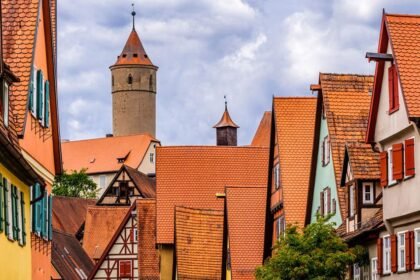
Take, for example, the rising appeal of Eastern Europe’s hidden gems. While Prague and Budapest remain popular, travelers are discovering the beauty of countries like Slovakia, Moldova, and North Macedonia. The cobblestone streets of Košice, the vineyards of Cricova, and the serene lake views of Ohrid provide breathtaking scenery without the tourist crowds. These regions offer rich folklore, warm hospitality, and affordable prices—making them ideal for curious explorers.
Asia, too, is filled with destinations waiting to be uncovered. Beyond the well-known capitals lies a world of small cities and natural escapes. Lampang in Thailand, with its historic teak houses and horse-drawn carriages, feels like a step back in time. Hoi An’s countryside in Vietnam offers rice paddies, lantern-lit evenings, and charming homestays that reveal the heart of Vietnamese culture. And in Japan, lesser-known prefectures like Gifu or Oita invite travelers to discover onsen villages, artisan crafts, and peaceful mountain trails.
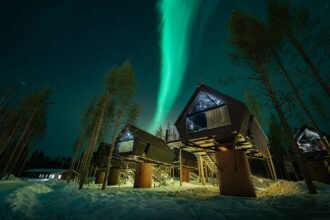
Closer to nature, the world’s quieter landscapes are becoming sanctuaries for travelers seeking stillness and renewal. Norway’s Lofoten Islands, though increasingly photographed, still retain a raw beauty—towering peaks, fishing huts perched over icy waters, and skies painted with northern lights. Similarly, Chile’s Atacama Desert amazes visitors with its lunar valleys, pink flamingos, and some of the clearest night skies on Earth. These landscapes remind us of how wide and wonderful the world truly is.
What makes these unexpected destinations so inviting is not just their beauty, but the unhurried pace they allow. When you’re not rushing to beat crowds or checking off a long itinerary, you gain the freedom to slow down. You can linger at a viewpoint, spend an extra hour talking to a local artisan, sit by a river and watch life unfold around you, or choose your next destination based solely on what inspires you in the moment. This kind of travel feels both grounding and exhilarating.
Food is another powerful part of discovering hidden destinations. Dining in lesser-known regions often leads to the most memorable culinary experiences. Think homemade pierogies prepared in a Polish countryside home, fresh grilled seafood from a fisherman’s daily catch in the Philippines, or clay-pot stews cooked over open fires in rural Morocco. These meals aren’t just delicious—they’re windows into heritage, crafted with pride and tradition.

Traveling to unexpected places also encourages deeper cultural understanding. Without tourist-heavy distractions, you can observe and participate in local customs authentically—festivals, dances, craft workshops, community gatherings, and even everyday routines. These interactions build empathy and broaden your worldview, reminding you that travel is as much about human connection as it is about scenery.
In the end, discovering the world’s quieter destinations is a reminder of what travel is truly about: curiosity, connection, and discovery. The magic lies not only in where you go, but in how you experience it. So the next time you plan a journey, consider stepping off the beaten path. You may find that the most unforgettable stories begin in the places you least expect.