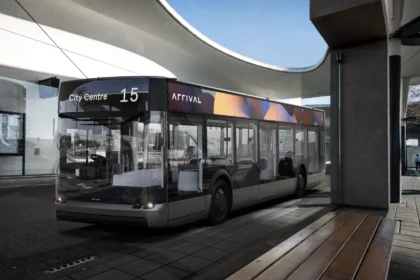



The automobile has always been a symbol of progress. From steam-powered prototypes to sleek electric marvels, each era of car design has reflected humanity’s drive to innovate. Today, we stand at the edge of another transformation — one not powered by engines or batteries alone, but by intelligence. Artificial intelligence (AI) is redefining what cars can do, and more importantly, how we experience them.
From Machines to Smart Companions
Modern vehicles are no longer just machines that move us from place to place. They are evolving into smart companions capable of understanding, learning, and adapting. AI plays a central role in this evolution — interpreting data from cameras, sensors, and radar systems to make split-second decisions.

Take Tesla’s Autopilot, Mercedes-Benz’s Drive Pilot, or Waymo’s self-driving taxis. These systems combine machine learning with real-time environmental mapping, allowing vehicles to navigate traffic, maintain lanes, and detect hazards more accurately than human drivers. While fully autonomous cars are still in development, advanced Level 2 and Level 3 systems are already becoming mainstream, blurring the line between driver and machine.
The Mind Behind the Wheel
At the heart of AI-driven vehicles are neural networks — digital brains trained on billions of driving scenarios. They continuously analyze information: how pedestrians move, how weather affects traction, how other vehicles behave. The more data they process, the smarter and safer they become.
Unlike human drivers, AI doesn’t get tired, distracted, or emotional. It reacts instantly and learns from every experience. Combined with lidar, radar, and camera-based vision systems, this intelligence creates a constantly evolving map of the world around the car — a map that updates every millisecond.
Companies like NVIDIA and Qualcomm are pushing this frontier even further with powerful automotive chips that allow cars to think faster than ever before. In essence, your next car might be less like a vehicle and more like a computer on wheels.
Safety in the Age of Automation
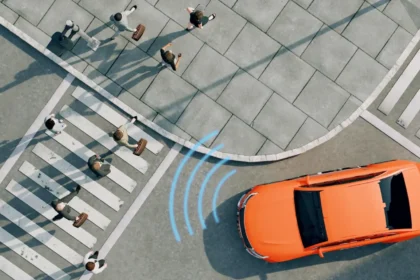
One of the most significant promises of AI in automobiles is enhanced safety. According to global road data, over 90% of accidents are caused by human error. AI-driven systems can potentially reduce these numbers dramatically by predicting and preventing collisions before they happen.
Features like automatic emergency braking, blind-spot monitoring, and lane-keeping assist are already saving lives. Soon, cars will be able to communicate with one another — sharing data about road conditions, obstacles, or upcoming hazards. This vehicle-to-vehicle (V2V) communication could create a network where traffic flows more smoothly and safely than ever before.
Reimagining the Driving Experience
Beyond safety and performance, AI is transforming the in-car experience itself. Imagine your car recognizing you by voice, adjusting the seat to your preferred position, setting the cabin temperature, and playing your favorite playlist before you even touch a button. AI-powered assistants like BMW’s Intelligent Personal Assistant or Mercedes MBUX are already bringing this level of personalization to life.
Even navigation is becoming intuitive. Instead of typing destinations, drivers can simply say, “Find me a quiet café nearby,” and the car uses real-time data to suggest the perfect spot — traffic-free and scenic.
Challenges on the Road to Autonomy
Of course, challenges remain. Regulatory frameworks, ethical questions, and cybersecurity risks all play major roles in shaping how autonomous technology will evolve. Governments must define responsibility in case of accidents, and manufacturers must ensure that AI decisions are transparent and trustworthy.

Despite these hurdles, the progress is undeniable. Each year brings us closer to a world where cars drive themselves — not as a luxury, but as a norm.
A Smarter Road Ahead
AI isn’t just changing how we drive — it’s changing what “driving” means. The automobile is transforming from a tool of motion into an intelligent companion that anticipates, assists, and learns. The journey ahead may be guided by algorithms, but the destination is deeply human: safer roads, cleaner cities, and a new harmony between technology and travel.
The future of driving isn’t about losing control — it’s about gaining intelligence.