



Fashion has always been more than just clothing—it’s a reflection of culture, history, and identity. Around the world, national costumes serve as a vibrant tapestry of traditions, each telling the story of the people who wear them. From dazzling embroidery to symbolic colors, these outfits are living art, representing centuries of heritage. Let’s take a look at 10 stunning national costumes from around the globe that capture both beauty and cultural pride.
1. Kimono – Japan

The Japanese kimono is perhaps one of the most iconic traditional garments in the world. Characterized by its long sleeves, wrap-style design, and elaborate patterns, it is worn for ceremonies, festivals, and weddings. Each kimono often symbolizes the season or occasion, with delicate motifs like cherry blossoms, cranes, or waves. The obi belt, tied in intricate knots, adds both structure and elegance. Beyond fashion, the kimono represents grace, discipline, and Japanese cultural values.
2. Sari – India
The Indian sari is a timeless piece of clothing, a single unstitched fabric—often up to nine yards long—draped gracefully around the body. Saris vary in style, fabric, and color depending on the region, with silk saris from Banaras or Kanchipuram considered particularly luxurious. The sari isn’t just attire; it embodies femininity, versatility, and the artistry of India’s weaving traditions. During festivals and weddings, it becomes a vibrant display of heritage, with designs rich in embroidery, gold thread, and bright hues.
3. Dirndl – Germany & Austria
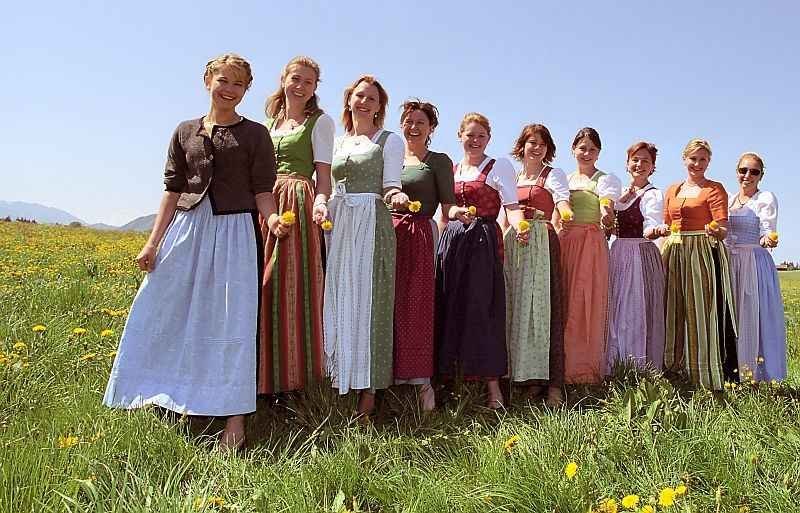
The dirndl, a traditional dress worn in Bavaria and Austria, is synonymous with Oktoberfest. Featuring a fitted bodice, full skirt, apron, and blouse, it strikes a balance between charm and elegance. The placement of the apron knot carries cultural meaning—whether the wearer is single, married, or widowed. With its cheerful patterns and alpine aesthetic, the dirndl is not just a festive costume but also a proud nod to Central European heritage.
4. Hanbok – Korea
The Korean hanbok is distinguished by its flowing lines, vibrant colors, and simple elegance. The women’s hanbok consists of a jeogori (jacket) and a voluminous chima (skirt), while men wear baggy pants with a jacket. Symbolic in design, hanbok colors historically reflected social status, age, and marital status. Today, it is worn during traditional holidays and celebrations, blending modern fabrics with timeless patterns. Its beauty lies in movement—soft curves and harmonious lines designed to create elegance in motion.
5. Dashiki – West Africa
A bold and colorful garment, the dashiki is an emblem of West African identity. Usually a loose-fitting tunic adorned with elaborate embroidery around the neckline, it combines comfort with striking style. The dashiki is worn across several African nations and has become a global symbol of pride in African heritage, particularly during cultural festivals and ceremonies. Its vivid designs highlight the rich artistry and storytelling traditions of the continent.
6. Kilt – Scotland
The Scottish kilt, made of woolen tartan fabric, is instantly recognizable. Each clan traditionally has its own tartan pattern, linking the garment to family pride and lineage. Worn with accessories such as the sporran (a pouch) and sgian-dubh (a small dagger), the kilt is much more than attire—it’s a statement of cultural identity. Today, kilts are commonly worn at weddings, parades, and Highland Games, carrying forward Scotland’s proud traditions.
7. Huipil – Mexico
The huipil is a traditional Mexican tunic worn primarily by Indigenous women. Handwoven with intricate embroidery, it often features symbols of nature, animals, and mythology. Each region has its own distinctive huipil designs, making it a living archive of cultural diversity. Worn for ceremonies, rituals, and festivals, the huipil beautifully captures Mexico’s Indigenous artistry and resilience.
8. Ao Dai – Vietnam
The ao dai is Vietnam’s national costume, known for its elegance and modern appeal. This long, fitted tunic with side slits is worn over trousers, creating a graceful silhouette. Traditionally made from silk, the ao dai embodies modesty and sophistication. It is especially prominent in weddings, national celebrations, and academic ceremonies, symbolizing Vietnamese pride and femininity.
9. Baro’t Saya – Philippines
The baro’t saya is a traditional Filipino dress composed of a blouse (baro) and a skirt (saya). Distinguished by its butterfly sleeves and sheer fabrics, it reflects the Philippines’ blending of Indigenous, Spanish, and Asian influences. It remains a powerful emblem of Filipino identity and grace, often worn at formal events and cultural showcases.
10. Sami Gakti – Northern Europe

Worn by the Indigenous Sami people of Northern Europe (Norway, Sweden, Finland, and Russia), the gakti is both functional and symbolic. Made of wool, cotton, or reindeer leather, it is adorned with bright colors, fringes, and silver jewelry. The design varies by region and family, often signifying the wearer’s origins or marital status. Today, the gakti is an enduring reminder of Sami traditions and their deep connection to Arctic life.
Final Thoughts
National costumes are far more than garments—they are a celebration of heritage, artistry, and identity. Each piece, whether it’s the elegance of the sari, the symbolism of the kilt, or the vibrancy of the dashiki, tells a unique cultural story. In a globalized world, these traditional costumes remind us of the importance of preserving history while embracing cultural pride.